
Tag: Shane McLeod

Following the Paris 2024 Games we’ll host several #AMA sessions with coaches who were at the Games so you can ask them your coaching questions. Shane McLeod, assistant coach for the Red Lions or national men’s team of Belgium, was LIVE with us on Friday September 6.

Or check out different options to watch our on demand content here

Shane McLeod

Shane McLeod is from New Zealand but spent most of his hockey career, both as a player and a coach, in Belgium. When he became head coach for the men’s team from Belgium he lead them to an Olympic silver in Rio, followed by European gold, World Cup gold in 2018 and Olympic gold in Tokyo in 2021. Cementing his reputation as a legendary coach. Before and during the Paris Games he returned to the team as their assistant coach.

Insights from the Paris Olympics: a summary

During a recent AMA session renowned hockey coach Shane McLeod offered valuable lessons drawn from his time at the Paris Olympics. Coaches can gain insights into his thoughts on readiness, teamwork and the progress of the sport.

The full video is available on demand here or in the XPS app. Get XPS here if you don’t have this amazing coach app yet.
Shane McLeod discusses Olympic preparation

The Unique Nature of Olympic Preparation

Shane highlighted the distinction, between the Olympics and other competitions like the World Cup. Teams share a recognition that the Olympics represent a trial of their skills. Both coaches and players focus their preparation on being ready for this prestigious event.

The Transition from Pool Games to Elimination Rounds

Shane points out that teams face a challenge when they move from games to knockout stages. The pressure increases and the consequences are more significant so it’s essential for teams to get ready both mentally and strategically for these high pressure scenarios.

Rule Changes to Enhance Excitement
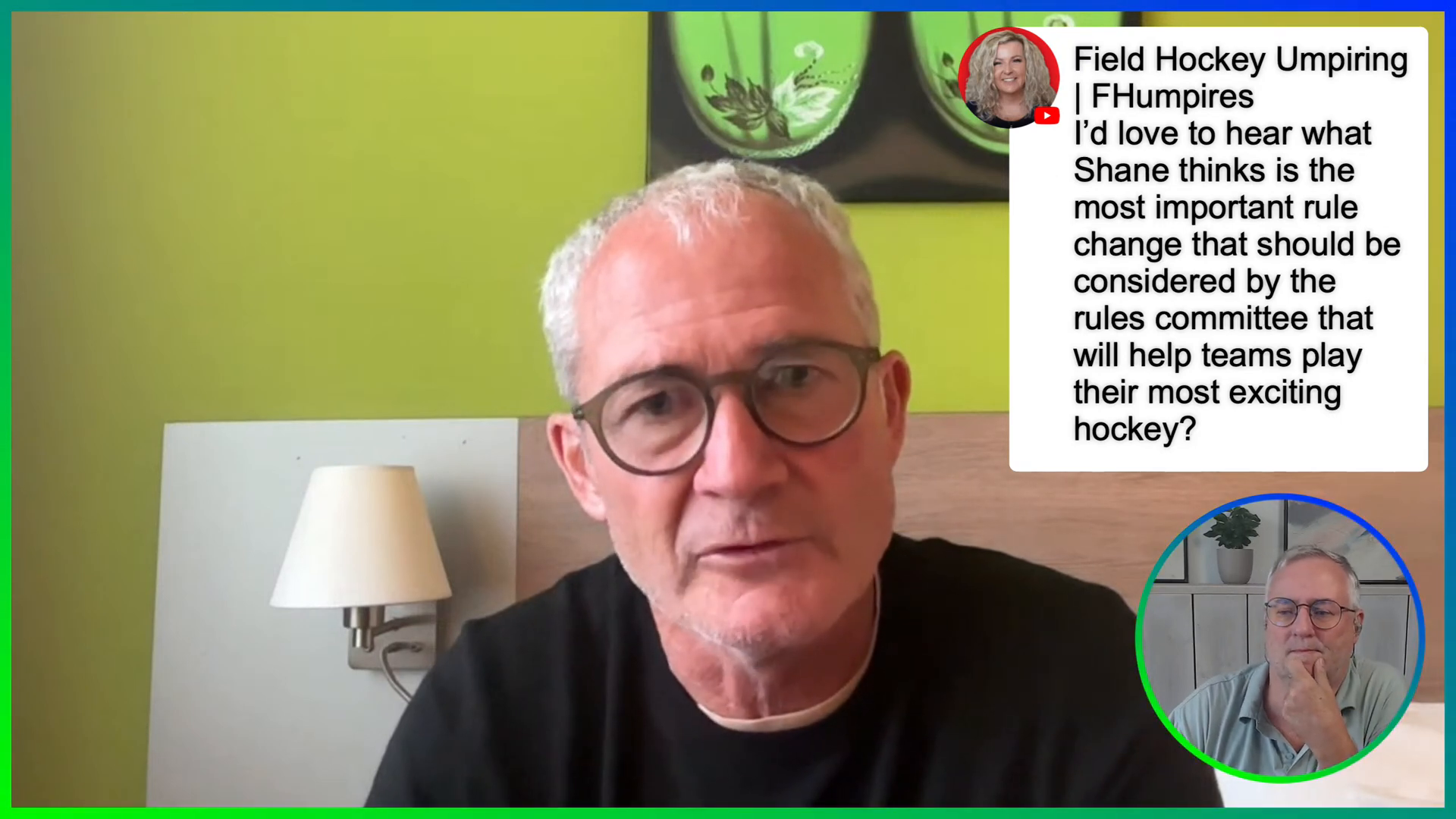
Shane McLeod discusses rule changes

In the meeting, there was a discussion about possible adjustments to the rules to enhance the excitement of hockey. Shane pointed out that the existing regulations have resulted in a approach to gameplay in recent competitions with a decrease in goals. He proposed that altering the rules regarding balls could create opportunities for gameplay and promote matches with scores.

Communication and Tactical Adjustments
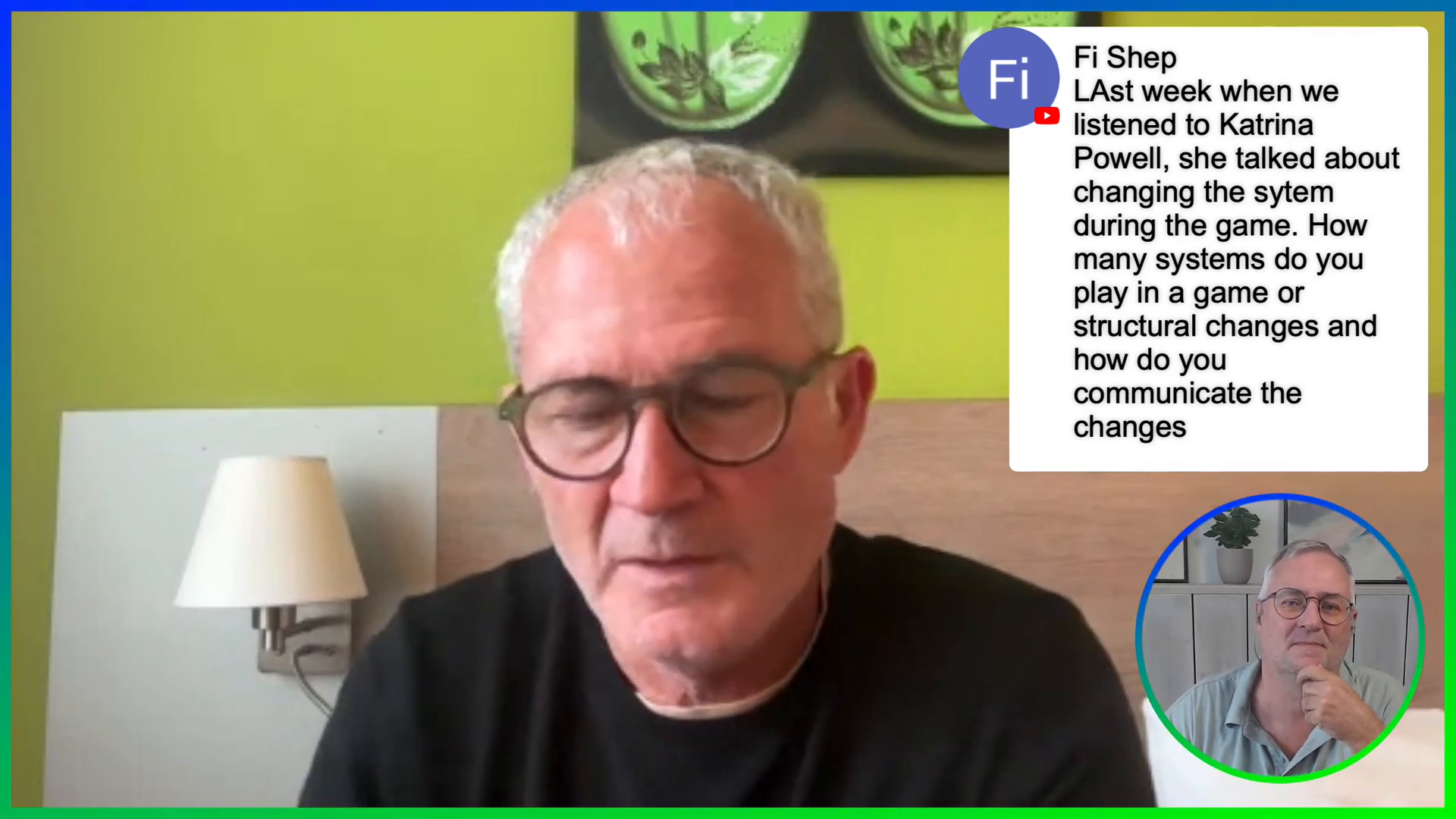
Shane McLeod on tactical adjustments during games

Shane discussed strategies for handling adjustments in tactics during a match. He emphasized the significance of effective communication utilizing pauses in gameplay to introduce modifications and keeping players involved and informed about their responsibilities.

Learning from Previous Tournaments

Shane’s analysis of Belgium’s showing in the rounds highlighted the value of lessons, from wins and losses. He emphasized that each encounter presents a chance, for development and that understanding the successes and failures can shape approaches going forward.
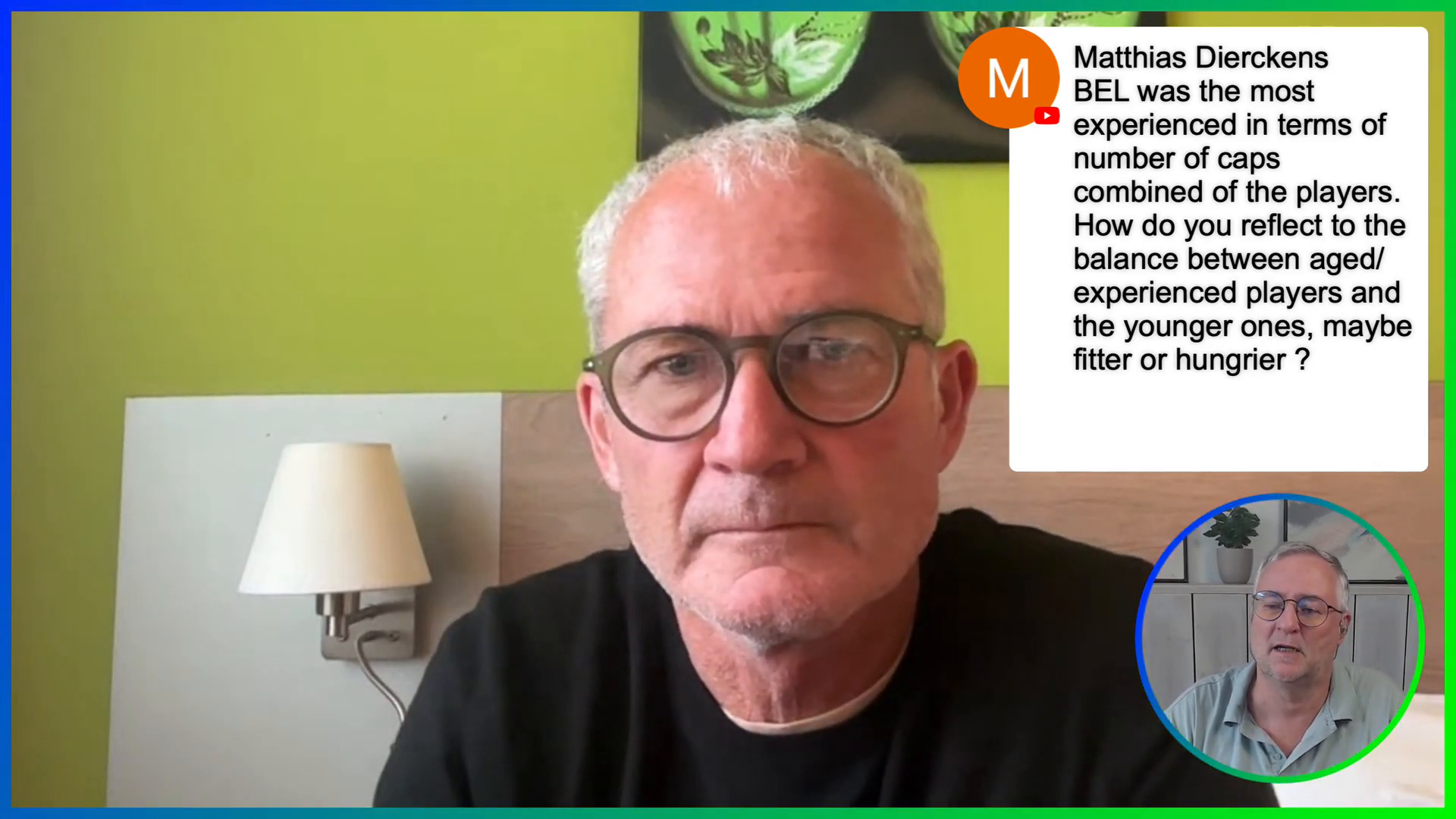
Shane McLeod on balancing experience and youth

The Balance Between Experience and Youth

An important discussion point revolved around finding the sweet spot between seasoned players and up and coming talent. Shane emphasized the importance of having a blend of both, as seasoned players offer reliability while fresh faces inject enthusiasm and flexibility into the team.

Positives from Belgium’s Campaign

Although Shane felt let down by Belgiums failure to make it to the finals he saw silver linings in their journey. He highlighted the chance for fresh ideas and the opportunity to reevaluate and enhance their current game plans for the future.
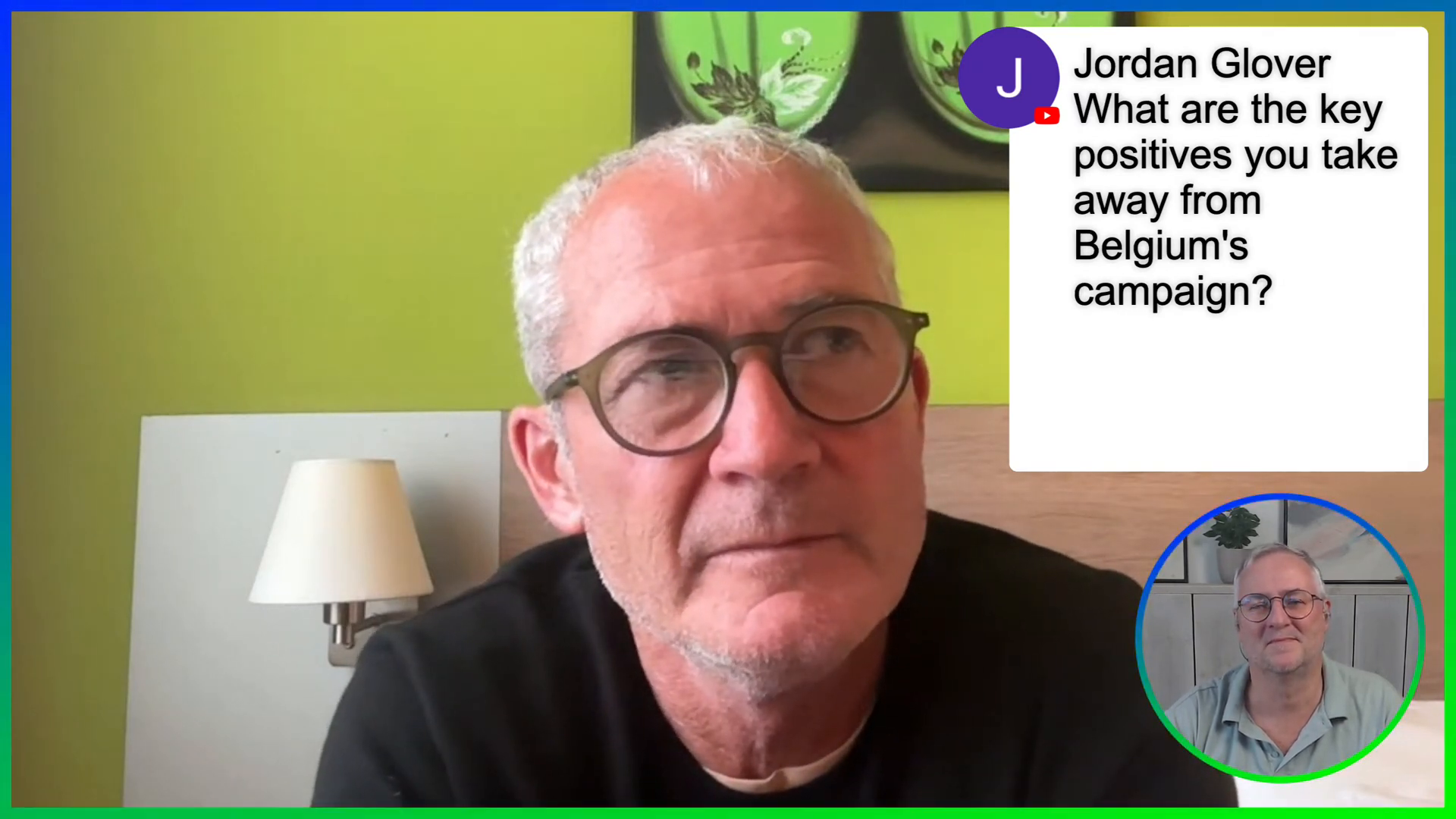
Shane McLeod discusses positives from Belgium's campaign

Future Directions

In his remarks Shane discussed the prospects, for the Belgian team and the importance of adjusting to evolving trends in the sport. He conveyed optimism that by adopting a perspective the team could emerge more resilient and competitive in future competitions.

To sum up Shane McLeods observations, from the Paris Olympics offer valuable lessons for coaches seeking to deepen their game comprehension and equip their teams for triumph. By drawing insights from victories and challenges coaches can cultivate an atmosphere of growth and perseverance.

The full video with many other questions from your fellow coaches answered, is available on demand here or in the XPS app.

Enjoy the short clip ↓

Position disputes are a negotiation, not an instruction, in Shane’s view. The coach needs to understand why a player feels suited to a certain role, explain what each position offers, and give meaning to the job being asked of them, so the player takes ownership of their own development. He calls aligning coaches and players the biggest area of coach development in the years ahead. Watch the full masterclass: Ask Me Anything with Shane McLeod.

Hybrids excite him most about modern hockey: styles from several cultures are merging for the first time in a long while, Argentinian lifting skills alongside Australian counterattacking speed and German ball retention. Shane also names what he wanted more of in Belgium, the defensive discipline of the 2012 to 2016 German side that was happy to win 1-0, and Australia’s positioning and scoring mentality in the circle. Watch the full masterclass: Ask Me Anything with Shane McLeod.

Watching the Europeans a month before Tokyo, Shane judged England a finished product after their eight week tour, while Holland’s results looked deceptive to him because of problems in how they were playing and the lift of a home crowd. Germany, he concluded, posed more danger at the Olympics than Holland. Belgium had agreed as a group to treat the tournament as a stepping stone and a rehearsal for Olympic match loading. Watch the full masterclass: Ask Me Anything with Shane McLeod.

Basketball has given him the most, particularly how players win position, which he relates directly to strikers working for front position in the circle, and how presses operate on a small court. Football is the other source: Shane studies presses that begin zonally and collapse into man to man marking, and he reckons the crossover would be even closer if football lost the offside rule. Watch the full masterclass: Ask Me Anything with Shane McLeod.

Experiment with sports science, is Shane’s advice, but come out the other side simpler than you went in. With so much data on offer, he keeps only what he can operate with simply and get across to his players. Looking ahead, he picks out predictive video analysis, where AI could let you play the game before you play it, and physical preparation for a sport now built on repeated sprints rather than endurance. Watch the full masterclass: Ask Me Anything with Shane McLeod.

Culture starts with the environment, Shane says. Belgium built an Olympic Room lined with photos chosen to show their players dominating Holland, Germany and Australia, then ran simple trust exercises such as speed dating rounds of structured feedback. He also facilitated an open conversation between two players over a lingering Indian league grievance, arguing that issues discussed honestly deflate, while those swept under the carpet resurface in pressure moments. Watch the full masterclass: Ask Me Anything with Shane McLeod.

Shane takes the mental coach role on himself, partly because he enjoys observing how players react and partly because it removes any buffer between him and the group. A psychologist sitting between coach and players ends up relaying messages, which he finds ineffective. He prefers the specialist to work on him instead, as one did in New Zealand, so that he can do the job better with the players. Watch the full masterclass: Ask Me Anything with Shane McLeod.

The first ten months set the tone, Shane explains, with almost as much time spent in the classroom as on the pitch because the players could already play. Sessions focused on building trust, making honest feedback normal, and treating Belgium’s mix of French and Dutch speaking cultures as a strength rather than a divide. The result was a squad of genuinely close friends rather than teammates who merely knew each other. Watch the full masterclass: Ask Me Anything with Shane McLeod.

Yes, he did, and he found them useful for two reasons. A course will never teach you everything, Shane argues; the point is to take the two or three ideas that fit how you believe hockey should be played and develop them further. The other gain is the network, since the coaches you meet on courses keep reappearing beside pitches for the rest of your career. Watch the full masterclass: Ask Me Anything with Shane McLeod.

Shane describes Be Gold as the start of Belgium’s conveyor belt: a deliberately wide base at under-14 that narrows through the age groups, with the under-21s acting as the final filter into the Red Lions. The programme is run as close to a senior international set-up as possible, with physios, strength and conditioning staff and quality coaches, and its best graduates arrive roughly eighteen months from performing well internationally. Watch the full masterclass: Ask Me Anything with Shane McLeod.

Having stumbled on other teams’ playbooks left lying on sofas, McLeod is wary of written documents reaching players. His answer is the team’s Olympic room, which he calls a walk-in 3D playbook: player work-ons, current priorities, and plans for pressing and penalty corners against specific countries all sit visually on the walls for players to study. Watch the full masterclass: AMA with Shane McLeod.